In the evolving world of gastronomy, the debate between using a digital menu versus a paper menu continues. Each medium has its unique advantages, but making the right decision depends on several key factors such as cost, updates, and guest experience. This article delves into these elements to guide restaurant owners and managers in choosing the best option for their establishments.
Understanding the Costs Involved
The initial costs of setting up a digital menu can include costs for tablets or smartphones to display the menu, whereas paper menus primarily entail printing expenses. Although digital menus may seem expensive at first, they often save money in the long run by eliminating the need for frequent reprinting.
Ease of Menu Updates
Updating a digital menu is typically instantaneous and straightforward, making it a preferred choice for restaurants with frequently changing menus. On the other hand, paper menus require reprinting every time there’s a menu change, which can be time-consuming and costly.
Guest Experience and Preferences
While some diners appreciate the modern and interactive nature of a digital menu, others prefer the traditional experience a paper menu provides. Considering your target audience’s preferences is crucial in making the right decision for your establishment.
When is a Digital Menu Most Appropriate?
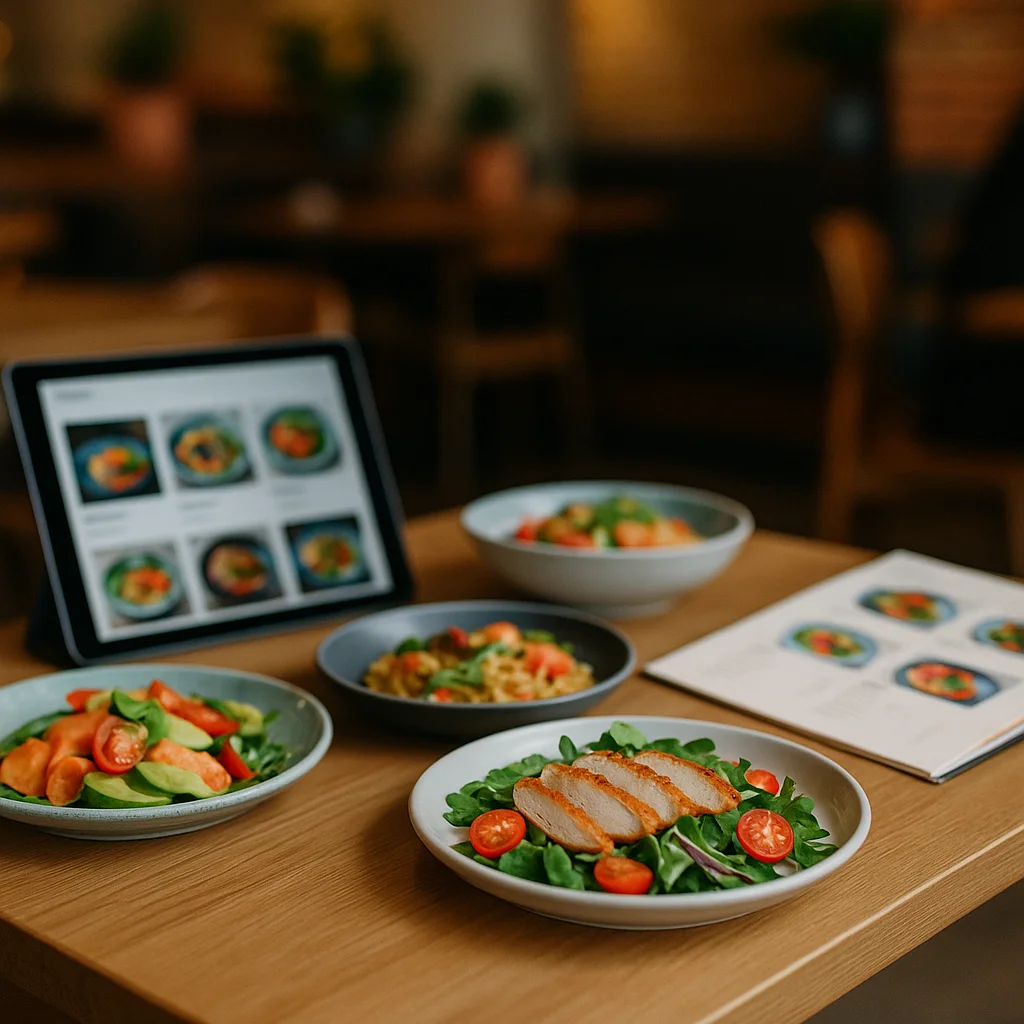
Digital menus are particularly beneficial for tech-savvy audiences, restaurants that regularly update their offerings, or venues that desire to showcase vibrant imagery and detailed descriptions.
Ideal Situations for Paper Menus
Traditional paper menus are often more suitable for establishments aiming for a classic dining experience, where physical interaction is part of the charm and appeal.
Note: this content is for information only and does not replace professional advice. Always check the current regulations in your country.
Practical Checklist for Choosing Your Menu Type
- Consider the initial setup and long-term costs.
- Evaluate the frequency of menu updates you anticipate needing.
- Assess your typical clientele and their preferences.
- Decide on your restaurant’s aesthetic and brand image.
- Determine your commitment to sustainability efforts.
- Evaluate the ease of training staff on new systems.
- Consider the versatility needed for promotions.
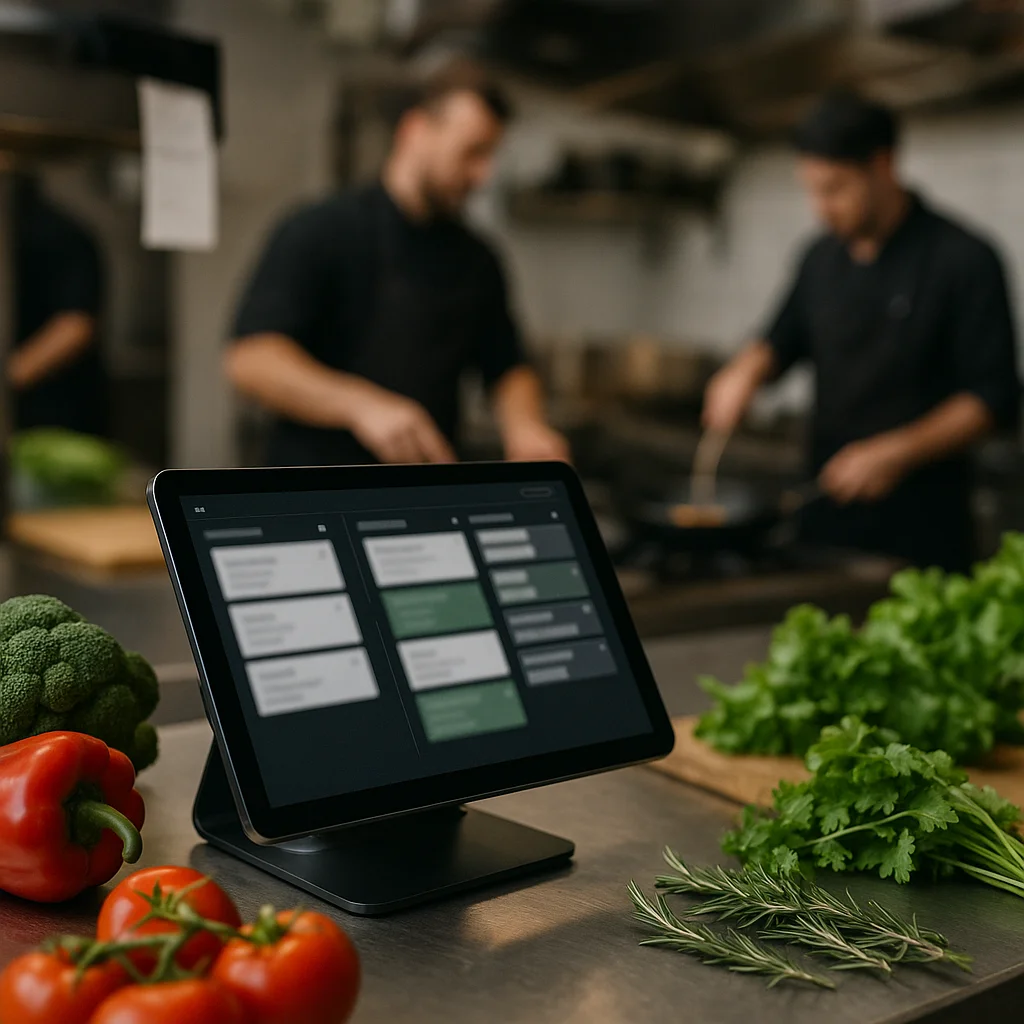
- Think about integration with ordering platforms like ORDO.
Enhance Your Menu Management Today
Discover how ORDO can simplify your restaurant's operations through seamless digital menu integration.
Try ORDO freeCommon Mistakes When Switching Menus
- Not considering the audience’s technological comfort level.
- Underestimating ongoing maintenance requirements for digital menus.
- Overlooking aesthetic consistency with restaurant branding.
- Failing to secure enough devices for optimal customer use.
- Choosing low-quality print options for paper menus.
- Ignoring customer feedback after changing menu types.
- Neglecting to train staff properly on menu changes.
Answers to Frequently Asked Questions
How often should I update my digital menu?
Digital menus can be updated as often as needed without additional costs, making them ideal for daily specials or seasonal changes.
What if my customers prefer reading from paper menus?
Consider offering both options to cater to varying preferences, enhancing overall customer satisfaction.
Are digital menus more eco-friendly than paper menus?
Yes, as they eliminate the waste associated with frequently printing paper menus.
What technologies are involved in setting up a digital menu?
Commonly used technologies include tablets, smartphones, and TV displays integrated with menu software.
Can I use a digital menu without internet?
Yes, many digital menu systems allow offline functionality to continue operations smoothly without an active internet connection.
Is a digital menu better for promotions?
Yes, digital menus allow dynamic updates and the flexibility to change promotions instantly.
Future Trends in Restaurant Menu Options
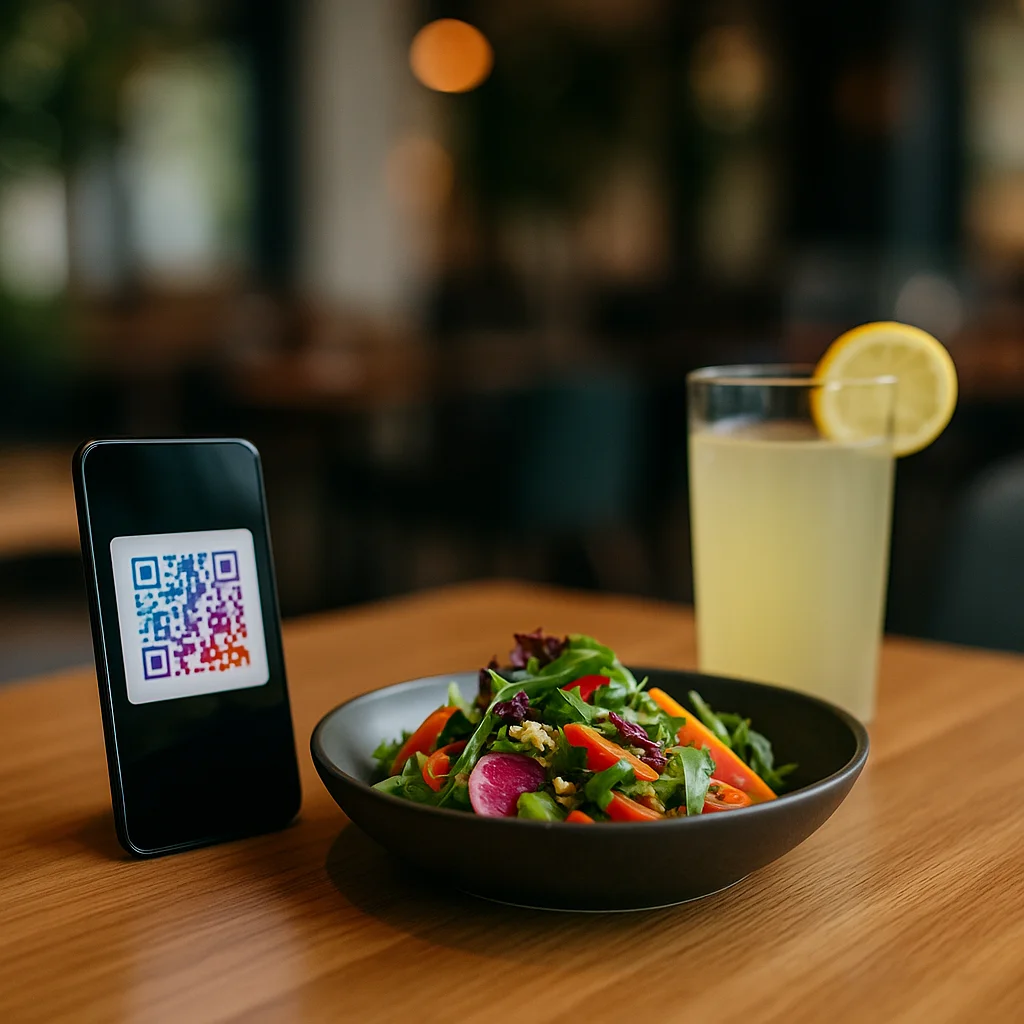
In the coming months, expect to see increased personalization in digital menus, with options to tailor recommendations based on previous orders or dietary preferences. Paper menus may incorporate QR codes linking to a digital experience for interactive storytelling about menus.
As you contemplate the best menu format for your restaurant, understanding both digital and paper options will help you manage your menu and orders more simply, enhancing your patrons' dining experience.