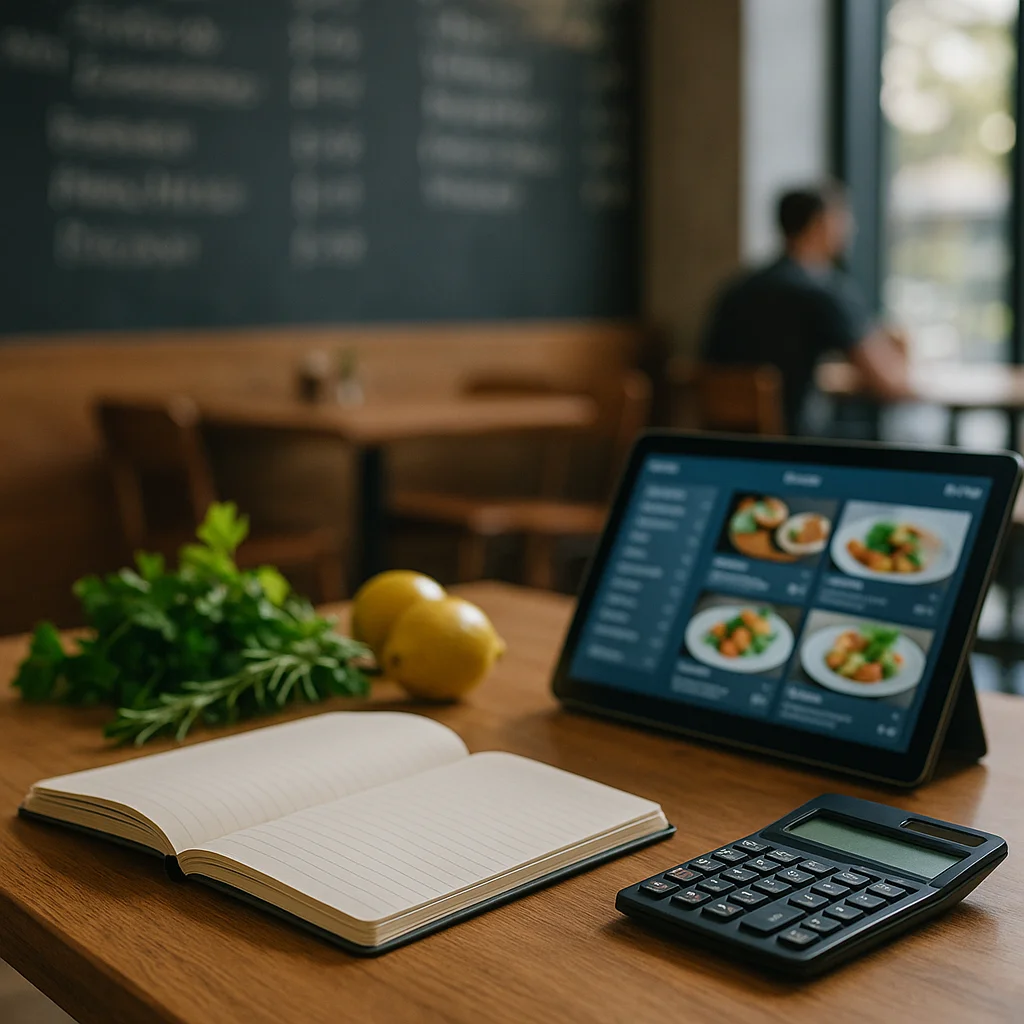
Pricing a restaurant menu is a delicate balance between covering all costs and appealing to customers. The right pricing strategy can enhance profitability and ensure customer satisfaction. This guide will walk restaurant owners through effective methods to price dishes starting from food cost, target margin, and customer perception.
Understanding Food Costs
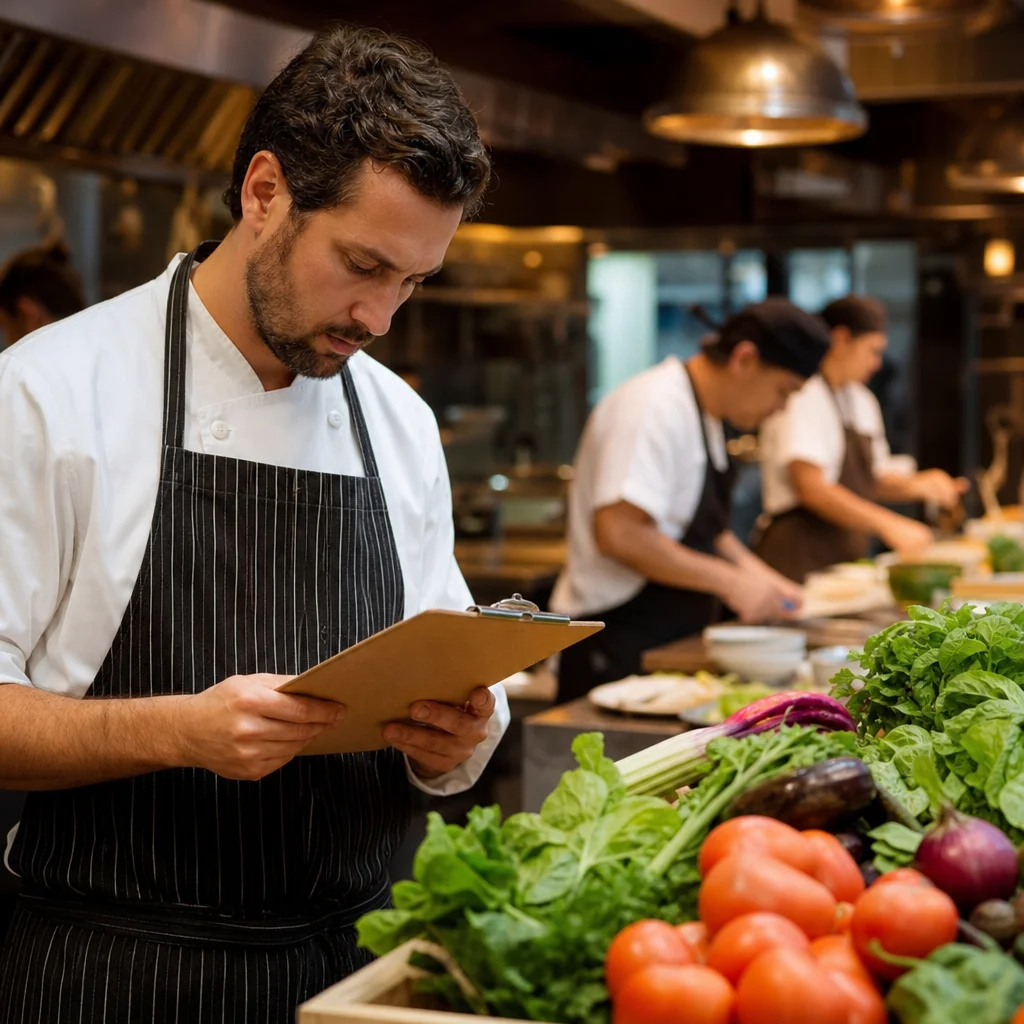
Food cost is the foundation of menu pricing. Calculating the food cost involves determining the total cost of ingredients used for each dish. Break down each recipe to its raw materials, factor in any preparation waste, and sum these costs to establish a baseline.
Setting Target Margins
Once the food cost is known, setting a target profit margin is the next step. Most restaurants aim for a specific margin size to ensure profitability. This target should cover overheads and contribute to profit, considering competition and market standards.
Evaluating Customer Perception
Customer perception is crucial in pricing strategy. Analyze your market and understand what your target customers are willing to pay. A well-designed restaurant experience, food quality, and uniqueness can justify premium pricing.
Practical Checklist for Menu Pricing
- Calculate total ingredient costs for each dish.
- Determine the ideal profit margin based on market research.
- Analyze competitors’ menu prices for similar offerings.
- Understand your customer base and their spending behavior.
- Factor in operational expenses like rent and utilities.
- Consider pricing dynamics for seasonal changes.
- Set discounts strategically to avoid undervaluing dishes.
- Maintain flexibility to adjust prices as needed.
- Utilize customer feedback to refine menu prices.
- Regularly review prices against ingredient cost updates.
- Align menu pricing with your restaurant’s branding.
- Educate staff about menu offerings and associated costs.
Try ORDO free and simplify your digital ordering and menu management today.
Try ORDO freeCommon Mistakes to Avoid
- Underpricing Menu Items: Avoid devaluing dishes due to a misunderstanding of actual food costs.
- Ignoring Market Research: Always base pricing decisions on thorough competitor analysis and customer insights.
- Not Adjusting for Seasonality: Failing to modify prices based on seasonal ingredient availability can shrink margins.
- Overcomplicating the Menu: Keep choices streamlined to reduce waste and confusion.
- Neglecting Customer Feedback: Make use of feedback to refine dishes and adjust pricing accordingly.
- Stagnant Pricing Strategy: Regularly revise the pricing model to stay competitive.
- Overlooking Operational Costs: Ensure all overhead expenses are included in the pricing model.
- Pricing Inconsistently: Maintain consistency across similar dishes to avoid confusion.
Frequently Asked Questions
What is the first step in menu pricing?
The initial step is calculating the food costs for each menu item to set a foundation for further pricing decisions.
How important is customer perception in pricing strategy?
Customer perception is vital; understanding what customers are willing to pay can help in setting a competitive yet profitable price point.
Should menu prices be adjusted for seasonal changes?
Yes, adjusting prices based on ingredient seasonal availability can help maintain margins and profitability.
How can I maintain profitable margins?
Set clear target margins, regularly review costs, and update menu prices accordingly to maintain profitability.
Can customer feedback influence pricing?
Absolutely! Feedback can provide insights into pricing acceptability and areas for menu improvement.
What role do competitor prices play in my pricing strategy?
Competitor prices can offer a benchmark, but your pricing should also reflect your unique offerings and operational costs.
Is it necessary to involve staff in pricing strategy?
Involving staff can ensure that they understand the value of dishes and can effectively communicate this to customers.
What should I avoid when pricing a menu?
Avoid arbitrary pricing, not considering overheads, and ignoring market research.
Future Trends in Menu Pricing
In the coming months, we can expect a rise in data-driven pricing strategies. Utilizing modern POS systems to gather customer data and adapt menu pricing dynamically will increasingly become the norm. Restaurants are likely to experiment with technology-driven solutions to better meet customer expectations and manage costs efficiently.
Note: this content is for information only and does not replace professional advice. Always check the current regulations in your country.
Explore how using services like ORDO can simplify your digital menu management and facilitate better pricing strategies.